





Treven Rollins, DMD
Alan Petersen, DDS
Randall D. Adams, DMD



- Common Treatments
- |
- Surgical Orthodontics
- |
- TMJ-TMD
- |
- Invisalign®
- |
- Invisalign Teen™
- |
- In-Ovation®
- |
- Insignia™
Surgical Orthodontics
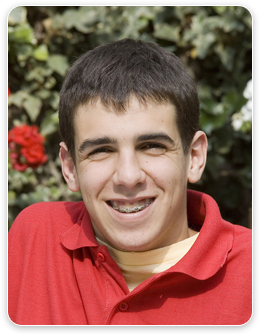 Treatment that combines braces with jaw surgery is called orthognathic surgery. This form of treatment is typically only used to correct severe cases. The types of issues that can be corrected with orthognathic surgery include bad bites, malocclusion, and jawbone abnormalities. The focus of this type of treatment is complex craniofacial cases involving the skull, face and jaw. The orthodontist works closely with the oral surgeon to coordinate orthognathic surgery.
What circumstances require surgical orthodontics?
Surgical orthodontics is reserved for adult patients over the age of 18 to 21 depending on when their jaw growth is complete. Jaw growth can continue up to the age of 22, so it is very important to have your orthodontist monitor growth with sequential radiographs. The orthodontist will be able to determine when your specific jaw growth phase has been completed. Orthographic surgery is reserved for patients with severely misaligned jaws that cannot be properly aligned with orthodontic treatment alone. The surgery properly aligns the jaws while the braces shift teeth into their correct positions.
Will I need orthognathic surgery?
Depending on the severity of your case, you may or may not need jaw surgery. The orthodontist will be able to determine whether braces can correct your bite or if orthognathic surgery is necessary for your treatment plan.
How does orthognathic surgery work?
Patients typically wear braces for approximately six to fourteen months prior to jaw surgery. Upper and lower braces will prepare the jaws for the surgical procedure. The orthognathic surgery is performed by an oral and maxillofacial surgeon. This procedure takes place in a hospital and involves a six week rest period after the surgery has been completed. Once the jaw has healed, the orthodontist will fine tune the bite and teeth alignment to complete the treatment. The orthodontist will provide removable retainers after treatment is completed to maintain your new smile.
Are there risks associated with orthognathic surgery?
Undergoing any major medical surgery involves certain risks. It's important to understand that orthognatic surgery has been performed for many years and is not a new procedure. Your comfort is important to us, so please let us know if you are concerned about your treatment plan. We are more than happy to answer any questions that you have and provide you with all the information you need to understand your procedure.
Are there rewards in having orthognathic surgery?
Most patients express that they love the feel and look of their new bite. Whether orthognathic treatment is needed to correct a bad bite, jaw abnormality, or malocclusion, this procedure can help boost your self confidence and leave you with a beautiful healthy smile that will last for many years to come.


Check out our Patient Rewards
MESA ORTHODONTIC OFFICE
6755 E. Superstition Springs Blvd.
Suite. 201
Mesa, AZ 85206
(480) 924-2880
GILBERT ORTHODONTIC OFFICE
1400 N. Gilbert Rd.
Suite. J
Gilbert, AZ 85234
(480) 497-0509
QUEEN CREEK ORTHODONTIC OFFICE
18610 E. Rittenhouse Rd.
Building A, Suite 102
Queen Creek, AZ 85242
(480) 988-7811
GLOBE ORTHODONTIC OFFICE
5981 W. Electric Dr.
Suite. A
Globe, AZ 85501
(480) 924-2880
Browse Our Site
Home | About Us | For New Patients | Wearing Braces | About Orthodontics | Treatments | Contact Us | Patient Login | Site Map
About Us
Drs. Treven Rollins, Alan Petersen, and Randall Adams of Rollins & Petersen Orthodontics are your Gilbert, Mesa, Queen Creek, and Globe, AZ orthodontists providing braces for children, teens, and adults.
Website by: Wild West Web